Hi! I’m Matias Codesal, a product manager and developer passionate about art and software and especially where the two intersect. Come along as I share some of the projects that I’m working on and some tips that I’ve learned along the way.
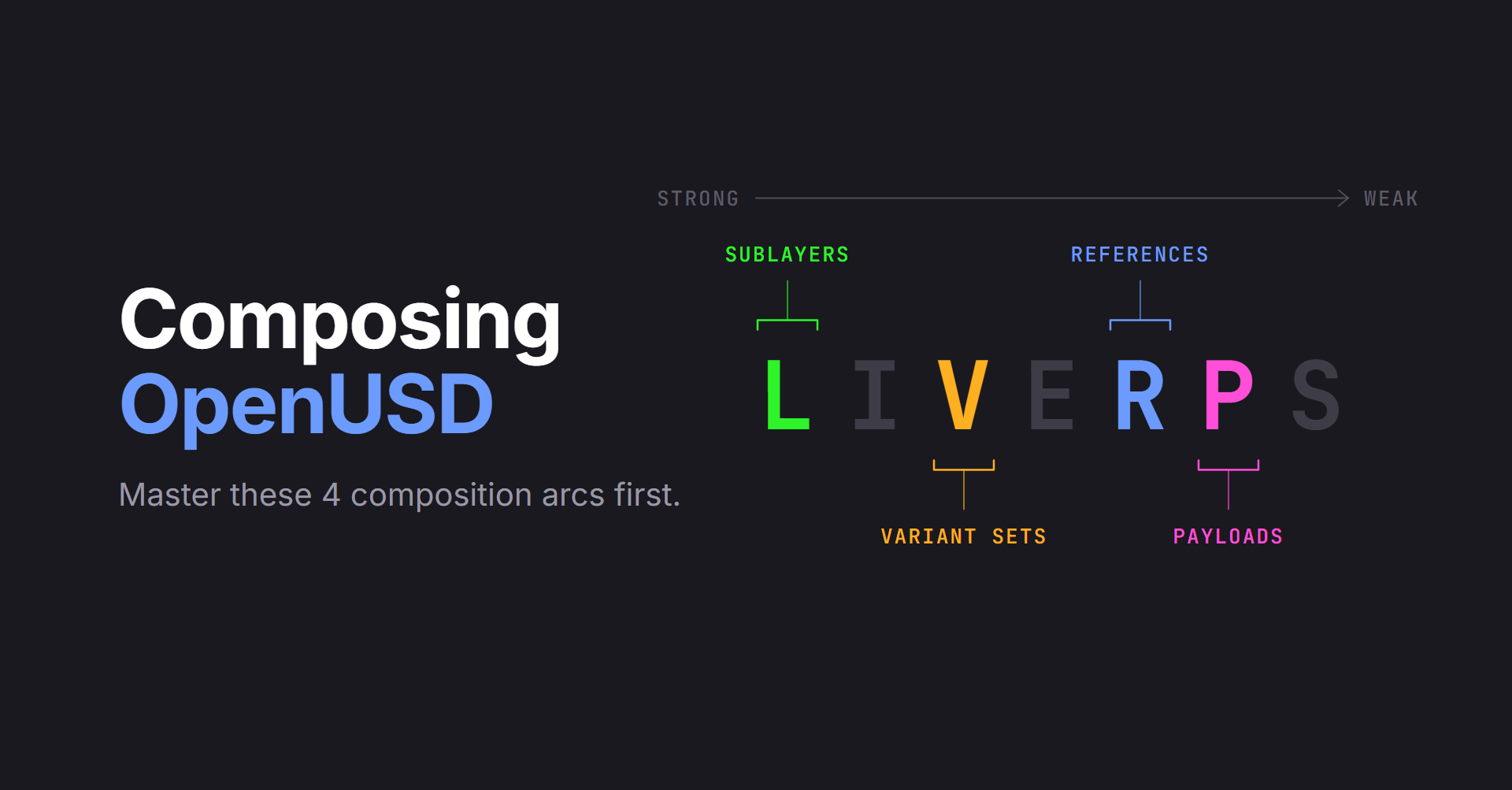
Learn the four OpenUSD composition arcs that matter most (sublayers, references, payloads, and variant sets), how LIVERPS decides which opinion wins, and how to troubleshoot an opinion that won’t show up. Part 3 of a series for OpenUSD Foundations and Workflows certification candidates.
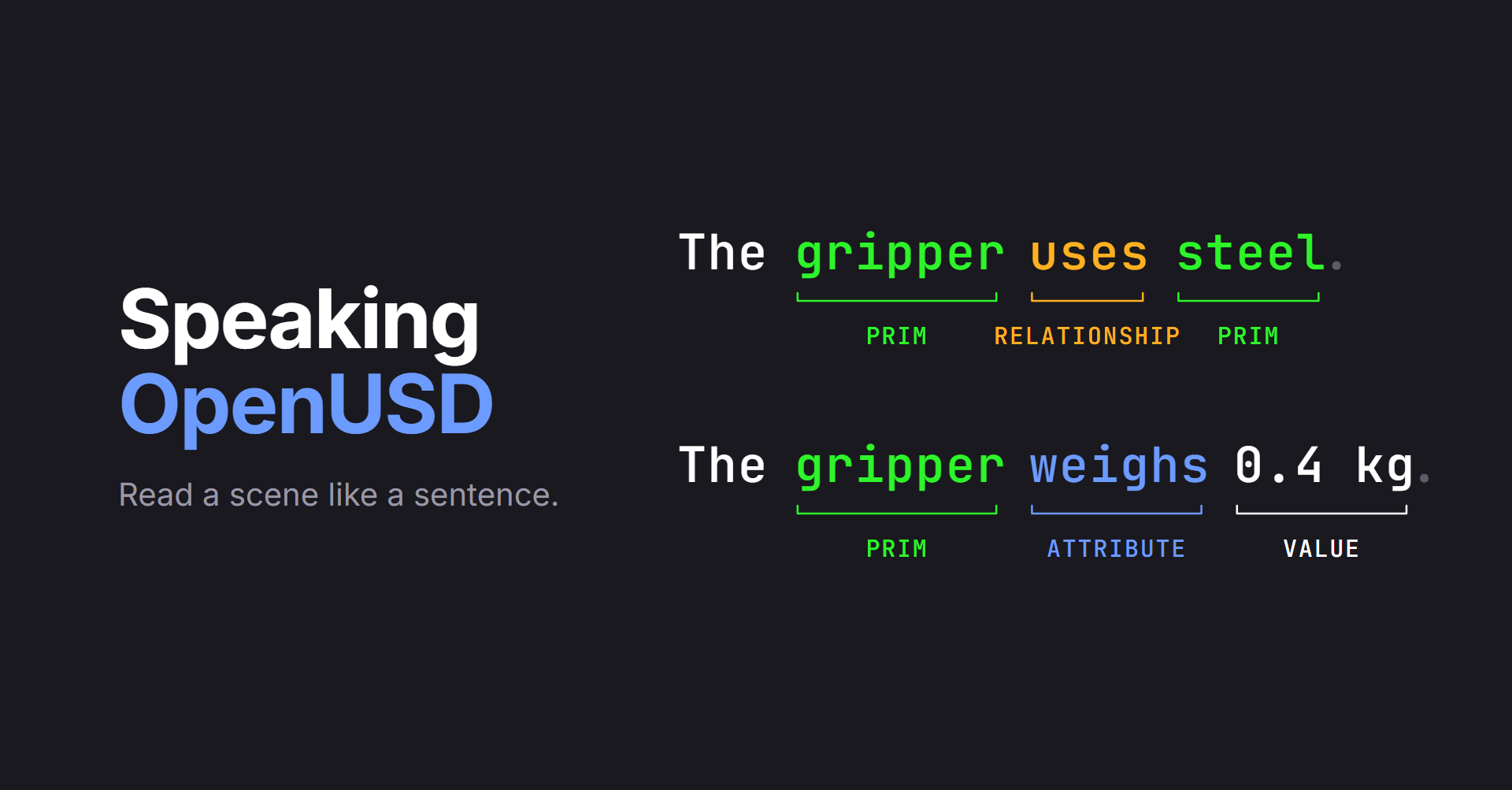
Learn the OpenUSD vocabulary every workflow stakeholder needs: stages, layers, prims, attributes, relationships, metadata, and schemas. Part 2 of a series for OpenUSD Foundations and Workflows certification candidates.
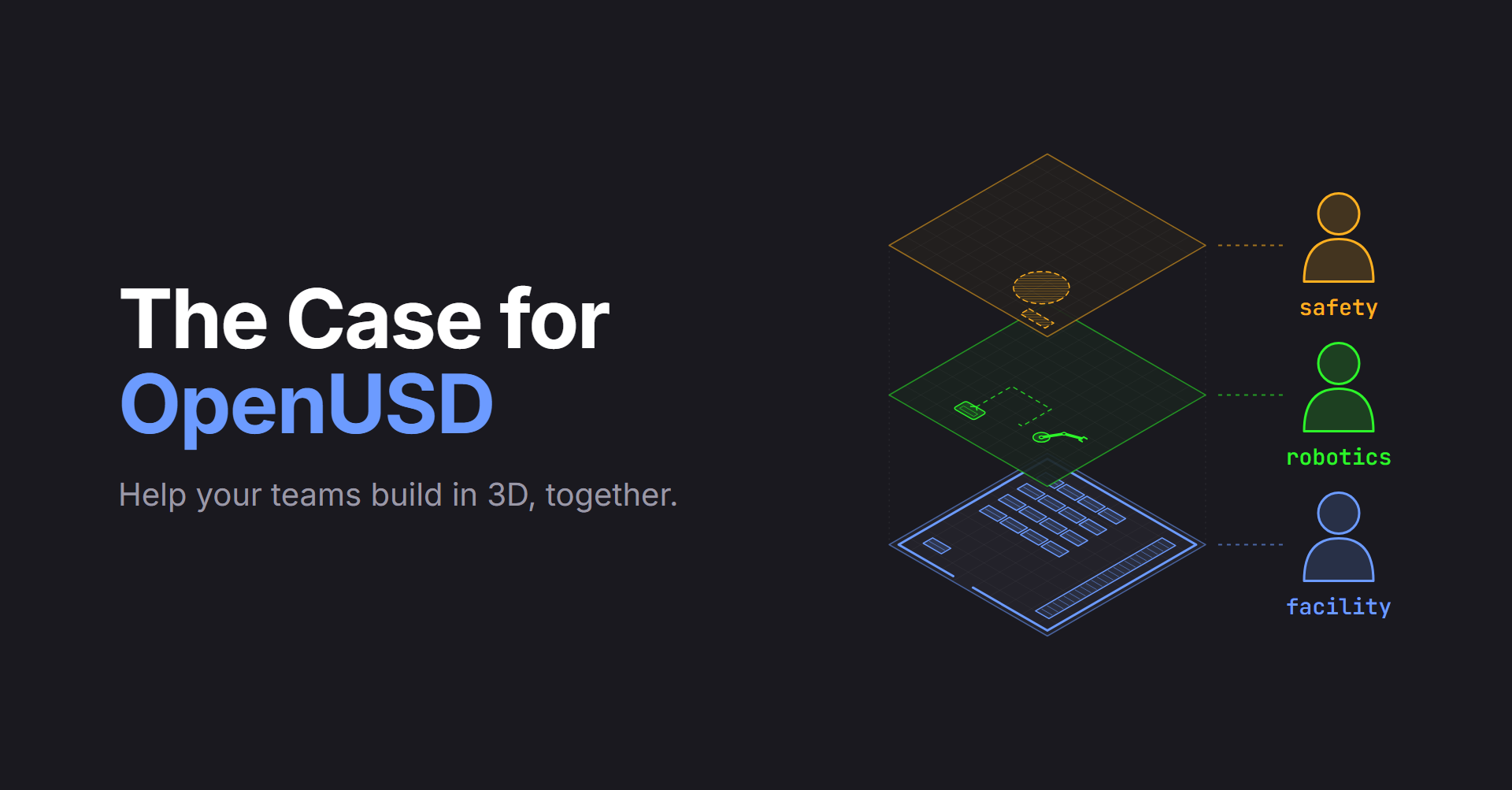
What problems does OpenUSD solve? Learn how to make the case for OpenUSD to your teams. Part 1 of a series for OpenUSD Foundations and Workflows certification candidates.
A couple of years ago, I put together a sizzle reel to showcase some of the projects I had the pleasure of working on at Esri between 2021-2022. It was a whirlwind of creativity, collaboration, and problem-solving, but I realized I didn’t share much about these projects at the time. So, I’m taking a moment to reflect on the journey and give you a peek behind the scenes at some of the work that I’m particularly proud of.
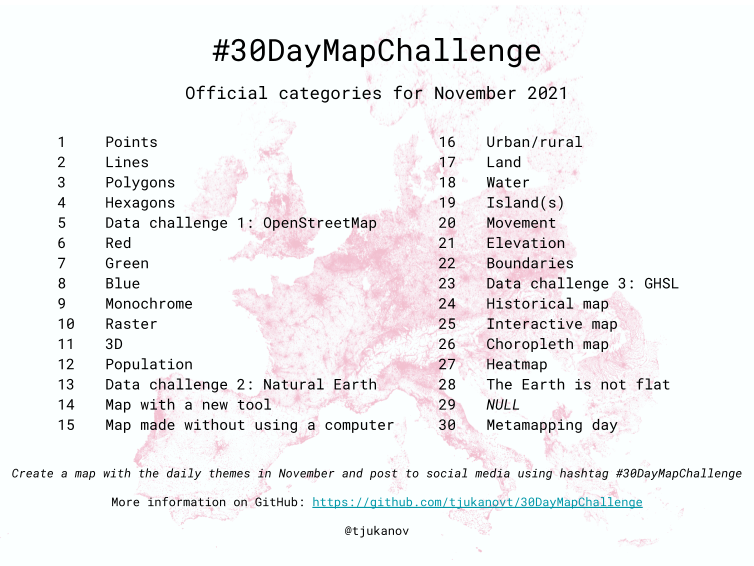
In November, I took part in a 30-day challenge to create a map every day. Here is a compilation of the work that I did and some thoughts on the experience.
Starting with Maya 2022, Python 3 is the default Python version. This guide will help you convert your Python 2 code to Python 3 with backwards-compatibility.
I created a Kit extension that can procedurally model buildings using CityEngine PyPRT to see how easy it is to create tools and pipeline with Omniverse.